THERMAL (FLIR) CAMERA
Thermal (FLIR) Cameras: Seeing the Invisible
Thermal Cameras (Forward-Looking Infrared - FLIR) don't see light; they see heat. By detecting the infrared energy emitted by all objects, these cameras create a "heat map" that allows you to see clearly in total darkness, through thick smoke, light fog, and even dense foliage.
Key Features
Heat Signature Detection: Detects the thermal energy of humans, animals, and vehicles, making them stand out brightly against cooler backgrounds.
Long-Range Detection: Can identify a "heat bloom" (like a person walking) from kilometers away, far exceeding the range of standard infrared cameras.
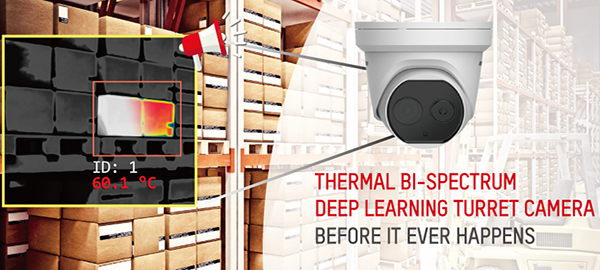
Fire & Hotspot Alerts: Capable of triggering alarms when temperatures cross a specific threshold—perfect for early fire detection in warehouses or electrical rooms.
Zero Light Required: Since they don't rely on visible light or IR illuminators, they are 100% effective in "pitch black" environments where traditional cameras see nothing.
Foliage Penetration: Unlike standard cameras, thermal sensors can often "see" the heat of an intruder hiding behind bushes or thin vegetation.
Why Choose Thermal Cameras?
Reliability in All Weather: They are unaffected by rain, dust, or smoke, ensuring your security stays active when visibility is at its worst.
Privacy Friendly: Thermal images show shapes and heat patterns rather than facial features, making them ideal for monitoring sensitive areas while maintaining individual privacy.
Low False Alarms: AI-thermal fusion can easily distinguish between a warm-blooded intruder and moving trees or blowing trash, providing highly accurate alerts.
Ideal Applications
Border & Perimeter Security: Monitor massive fence lines and open fields where traditional lighting is impossible.
Industrial Facilities: Identify overheating machinery or electrical panels before they lead to a breakdown or fire.
Waste & Recycling Centers: Detect internal fires deep within trash piles by monitoring rising surface temperatures.
Search and Rescue: Locate missing persons in dark forests or smoke-filled buildings by tracking their body heat.
Critical Infrastructure: Secure power plants, oil refineries, and data centers against nighttime intrusions.